Irritation During Urinating In Males: Causes, Symptoms, Treatment, And Prevention
Introduction Irritation during urinating in males is a common health problem that many men experience at some point in life. The feeling may include burning, pa
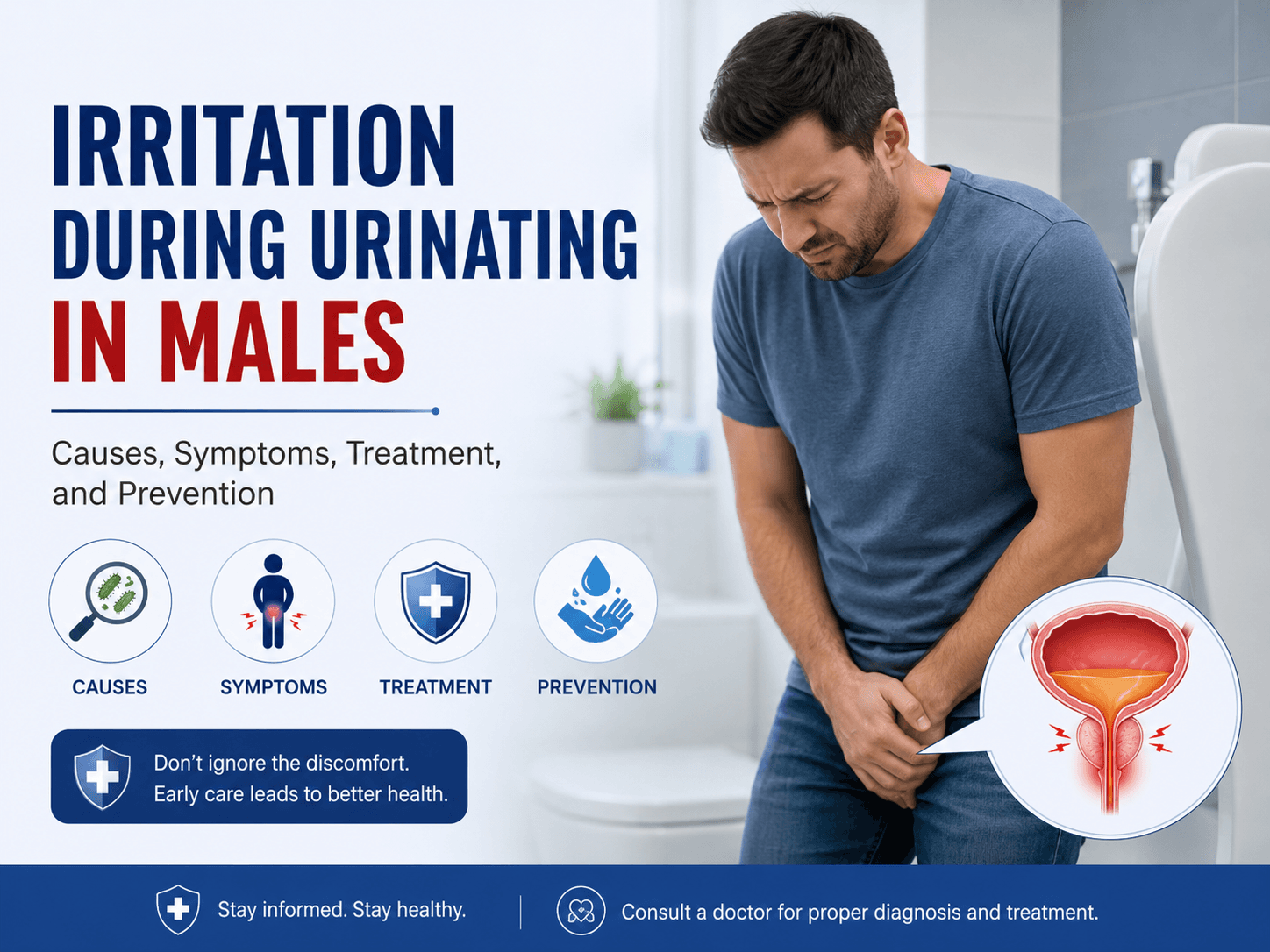
Quickobook EditorialGeneral health information — not yet medically reviewed
This article is for health awareness only. It does not replace a medical consultation. For emergency symptoms, visit the nearest emergency department.
1What this means
Introduction Irritation during urinating in males is a common health problem that many men experience at some point in life. The feeling may include burning, pain, stinging, itching, or discomfort while passing urine. Some men may also notice frequent urination, cloudy urine, or pain in the lower abdomen.
2Causes and risk factors
Although mild irritation may sometimes happen due to dehydration or temporary infection, persistent pain during urination should never be ignored. It can be a sign of urinary tract infection (UTI), sexually transmitted infection (STI), kidney stones, prostate problems, or other medical conditions.
3Symptoms to notice
Early diagnosis and treatment are important because untreated urinary problems can affect the bladder, kidneys, and overall health. This guide explains everything males need to know about irritation during urinating, including causes, symptoms, diagnosis, treatment options, lifestyle tips, prevention methods, and when to consult a doctor.
Get urgent care if symptoms are severe
Severe pain, breathing difficulty, fainting, bleeding, confusion or rapidly worsening weakness should be treated as urgent.
4Tests and diagnosis
What Is Irritation During Urinating in Males? Irritation during urinating means discomfort, burning, or pain while passing urine. Doctors often call this condition “dysuria.” It may happen before, during, or after urination.
5Care and next steps
The irritation may feel like:
6Care and next steps
Burning sensation
7Care and next steps
Sharp pain
8Care and next steps
Mild stinging
9Care and next steps
Itching in the urinary opening
10Care and next steps
Pressure in the lower abdomen
11Care and next steps
Warm feeling while urinating
12Care and next steps
The severity can vary from mild discomfort to severe pain. Some men may experience symptoms only once, while others may suffer repeatedly.
13Care and next steps
Common Causes of Irritation During Urinating in Males There are several possible reasons behind painful or irritating urination in men.
14Care and next steps
Urinary Tract Infection (UTI) A urinary tract infection happens when bacteria enter the urinary system. Although UTIs are more common in women, men can also get them.
15Care and next steps
Symptoms include:
16Care and next steps
Burning during urination
17Care and next steps
Frequent urge to urinate
18Care and next steps
Fever
19Care and next steps
Cloudy or foul-smelling urine
20Care and next steps
Pain in the lower abdomen
21Care and next steps
Men with diabetes , kidney stones, or enlarged prostate may have a higher risk of UTIs.
22Care and next steps
Sexually Transmitted Infections (STIs) Sexually transmitted infections are one of the leading causes of irritation during urinating in sexually active males.
23Care and next steps
Common STIs include:
24Care and next steps
Chlamydia
25Care and next steps
Gonorrhea
26Care and next steps
Herpes
27Care and next steps
Trichomoniasis
28Care and next steps
Symptoms may include:
29Care and next steps
Burning urination
30Care and next steps
Penile discharge
31Care and next steps
Genital sores
32Care and next steps
Itching
33Care and next steps
Pain during sex
34Care and next steps
Unsafe sexual contact increases the risk of STIs.
35Care and next steps
Prostatitis Prostatitis means inflammation of the prostate gland. The prostate is a small gland located below the bladder in males.
36Care and next steps
Symptoms include:
37Care and next steps
Painful urination
38Care and next steps
Pelvic pain
39Care and next steps
Difficulty urinating
40Care and next steps
Pain during ejaculation
41Care and next steps
Fever and chills
42Care and next steps
Prostatitis may occur due to bacterial infection or inflammation.
43Care and next steps
Kidney Stones Kidney stones are hard mineral deposits formed inside the kidneys. When stones move through the urinary tract, they can cause severe irritation and pain.
44Care and next steps
Symptoms include:
45Care and next steps
Sharp pain in the side or back
46Care and next steps
Burning urination
47Care and next steps
Blood in urine
48Care and next steps
Nausea
49Care and next steps
Frequent urination
50Care and next steps
Small stones may pass naturally, but larger stones may require treatment.
51Care and next steps
Dehydration Not drinking enough water can make urine concentrated. Concentrated urine contains more waste products and can irritate the urinary tract.
52Care and next steps
Signs of dehydration include:
53Care and next steps
Dark yellow urine
54Care and next steps
Dry mouth
55Care and next steps
Fatigue
56Care and next steps
Burning while urinating
57Care and next steps
Drinking enough water can often relieve mild symptoms.
58Care and next steps
Enlarged Prostate An enlarged prostate, also called benign prostatic hyperplasia (BPH), is common in older men.
59Care and next steps
Symptoms include:
60Care and next steps
Weak urine flow
61Care and next steps
Frequent urination at night
62Care and next steps
Difficulty starting urination
63Care and next steps
Burning sensation
64Care and next steps
The enlarged gland presses against the urethra and affects urine flow.
65Care and next steps
Chemical Irritation Certain soaps, creams, condoms, lubricants, or hygiene products may irritate the urinary opening.
66Care and next steps
This irritation is usually temporary and improves after stopping the product.
67Care and next steps
Urethritis Urethritis means inflammation of the urethra, the tube that carries urine outside the body.
68Care and next steps
Causes include:
69Care and next steps
Bacterial infection
70Care and next steps
Viral infection
71Care and next steps
STIs
72Care and next steps
Chemical irritation
73Care and next steps
Symptoms include:
74Care and next steps
Burning urination
75Care and next steps
Penile discharge
76Care and next steps
Redness at the urinary opening
77Care and next steps
Risk Factors for Irritation During Urinating Some factors increase the chance of developing urinary irritation.
78Care and next steps
Poor Hydration Not drinking enough water allows bacteria and toxins to stay longer in the urinary tract.
79Care and next steps
Unsafe Sexual Practices Having unprotected sex or multiple sexual partners increases the risk of STIs.
80Care and next steps
Diabetes High blood sugar levels increase infection risk and may affect bladder function.
81Care and next steps
Poor Hygiene Improper genital hygiene can allow bacterial growth.
82Care and next steps
Holding Urine for Long Hours Delaying urination regularly may increase the risk of infection.
83Care and next steps
Weak Immunity Low immunity makes it harder for the body to fight infections.
84Care and next steps
Symptoms That May Occur Along With Irritation Urinary irritation may happen with other symptoms depending on the cause.
85Care and next steps
Common Symptoms Frequent urination
86Care and next steps
Blood in urine
87Care and next steps
Lower abdominal pain
88Care and next steps
Fever
89Care and next steps
Back pain
90Care and next steps
Cloudy urine
91Care and next steps
Penile discharge
92Care and next steps
Difficulty urinating
93Care and next steps
Itching or redness
94Care and next steps
Severe symptoms may indicate serious infection or kidney problems.
95Care and next steps
How Doctors Diagnose Irritation During Urinating in Males Doctors usually diagnose the condition using symptoms, physical examination, and medical tests.
96Care and next steps
Medical History The doctor may ask:
97Care and next steps
When symptoms started
98Care and next steps
Sexual history
99Care and next steps
Urination pattern
100Care and next steps
Fluid intake
101Care and next steps
Previous infections
102Care and next steps
Physical Examination The doctor may check:
103Care and next steps
Abdomen
104Care and next steps
Genital area
105Care and next steps
Prostate gland
106Care and next steps
Urine Test Urine analysis helps detect:
107Care and next steps
Infection
108Care and next steps
Blood
109Care and next steps
Bacteria
110Care and next steps
Kidney problems
111Care and next steps
Urine Culture This test identifies the exact bacteria causing infection.
112Care and next steps
STI Testing If sexually transmitted infection is suspected, doctors may advise special tests.
113Care and next steps
Ultrasound or CT Scan Imaging tests help detect kidney stones, prostate enlargement, or urinary blockage.
114Care and next steps
Treatment for Irritation During Urinating in Males Treatment depends on the exact cause.
115Care and next steps
Antibiotics Doctors prescribe antibiotics for bacterial infections like UTIs or STIs.
116Care and next steps
The full course should always be completed even if symptoms improve early.
117Care and next steps
Antiviral Medicines Viral infections such as herpes may require antiviral treatment.
118Care and next steps
Pain Relief Medicines Doctors may recommend medicines to reduce pain and burning sensation.
119Care and next steps
Increased Water Intake Drinking more water helps flush bacteria and toxins from the urinary system.
120Care and next steps
Treatment for Enlarged Prostate Medicines or surgery may be needed for severe prostate enlargement.
121Care and next steps
Kidney Stone Treatment Small stones may pass naturally. Larger stones may require:
122Care and next steps
Laser treatment
123Care and next steps
Surgery
124Care and next steps
Shock wave therapy
125Care and next steps
Lifestyle Changes Simple lifestyle improvements can reduce urinary irritation and prevent recurrence.
126Care and next steps
Home Remedies for Mild Irritation During Urinating Home care may help mild symptoms, but persistent pain requires medical attention.
127Care and next steps
Drink Plenty of Water Water dilutes urine and reduces irritation.
128Care and next steps
Aim for 2–3 litres daily unless restricted by your doctor.
129Care and next steps
Avoid Spicy Foods Spicy foods may worsen urinary irritation in some men.
130Care and next steps
Reduce Caffeine and Alcohol Coffee, tea, energy drinks, and alcohol can irritate the bladder.
131Care and next steps
Maintain Good Hygiene Wash the genital area daily with mild soap and water.
132Care and next steps
Avoid Holding Urine Urinate whenever needed instead of delaying for long periods.
133Care and next steps
Wear Loose Cotton Underwear Cotton underwear keeps the area dry and reduces bacterial growth.
134Care and next steps
Foods That Support Urinary Health Healthy food habits may improve urinary health.
135Care and next steps
Water-Rich Fruits Watermelon
136Care and next steps
Orange
137Care and next steps
Cucumber
138Care and next steps
Muskmelon
139Care and next steps
Probiotic Foods Curd and yogurt may support healthy bacteria balance.
140Care and next steps
Cranberry Products Some studies suggest cranberry may help prevent UTIs.
141Care and next steps
Fresh Vegetables Vegetables provide vitamins and improve immunity.
142Care and next steps
Complications of Untreated Irritation During Urinating Ignoring symptoms may lead to serious complications.
143Care and next steps
Kidney Infection Untreated urinary infections can spread to the kidneys.
144Care and next steps
Symptoms include:
145Care and next steps
High fever
146Care and next steps
Severe back pain
147Care and next steps
Vomiting
148Care and next steps
Chronic Prostate Problems Repeated infections may affect prostate health.
149Care and next steps
Infertility Some untreated STIs can affect fertility in males.
150Care and next steps
Kidney Damage Severe infections may damage kidney function over time.
151Care and next steps
When to See a Doctor Consult a doctor immediately if you experience:
152Care and next steps
Blood in urine
153Care and next steps
Fever
154Care and next steps
Severe pain
155Care and next steps
Difficulty urinating
156Care and next steps
Penile discharge
157Care and next steps
Symptoms lasting more than 2 days
158Care and next steps
Back pain
159Care and next steps
Repeated urinary infections
160Care and next steps
Early treatment prevents complications.
161Care and next steps
How to Prevent Irritation During Urinating in Males Prevention is often possible with healthy habits.
162Care and next steps
Drink Enough Water Proper hydration keeps the urinary system healthy.
163Care and next steps
Practice Safe Sex Use protection during sexual activity to reduce STI risk.
164Care and next steps
Maintain Personal Hygiene Clean the genital area regularly.
165Care and next steps
Avoid Excess Alcohol and Smoking These habits may worsen urinary health.
166Care and next steps
Control Diabetes Keeping blood sugar under control reduces infection risk.
167Care and next steps
Get Regular Health Checkups Routine checkups help detect prostate or urinary problems early.
168Care and next steps
Mental and Emotional Impact Urinary discomfort can affect emotional health and confidence.
169Care and next steps
Some men may experience:
170Care and next steps
Anxiety
171Care and next steps
Stress
172Care and next steps
Embarrassment
173Care and next steps
Fear of sexual activity
174Care and next steps
Open discussion with a doctor helps reduce fear and improves treatment outcomes.
175Care and next steps
Irritation During Urinating in Young Men vs Older Men Younger Men Common causes:
176Care and next steps
STIs
177Care and next steps
Dehydration
178Care and next steps
Urethritis
179Care and next steps
Older Men Common causes:
180Care and next steps
Enlarged prostate
181Care and next steps
Kidney stones
182Care and next steps
Chronic infections
183Care and next steps
Age-related changes increase urinary problems in older males.
184Care and next steps
Cost of Diagnosis and Treatment in India Treatment costs depend on the condition and hospital.
185Care and next steps
Approximate costs:
186Care and next steps
Doctor consultation: ₹500–₹1500
187Care and next steps
Urine test: ₹200–₹800
188Care and next steps
STI testing: ₹1000–₹4000
189Care and next steps
Ultrasound: ₹1000–₹3000
190Care and next steps
Kidney stone treatment: ₹20,000–₹1,50,000
191Care and next steps
Government hospitals may provide lower-cost treatment options.
192Care and next steps
Tips for Better Urinary Health Drink water regularly
193Care and next steps
Avoid excessive salty food
194Care and next steps
Exercise daily
195Care and next steps
Sleep properly
196Care and next steps
Do not self-medicate
197Care and next steps
Avoid unprotected sex
198Care and next steps
Reduce stress
199Care and next steps
Healthy habits support long-term urinary wellness.
200Care and next steps
Conclusion Irritation during urinating in males can happen due to infections, dehydration, prostate issues, kidney stones, or sexually transmitted diseases. Although mild irritation may improve with hydration and hygiene, persistent or severe symptoms should never be ignored.
201Care and next steps
Early medical diagnosis is important to prevent complications such as kidney infection, infertility, or chronic urinary problems. Healthy lifestyle habits, safe sexual practices, and regular medical checkups can greatly reduce the risk of urinary irritation.
202Care and next steps
If you notice burning, pain, or discomfort while urinating, consult a qualified doctor for proper evaluation and treatment.
203Care and next steps
Book a Doctor Consultation with Quickobook Looking for trusted doctors for urinary problems, infections, or male health concerns? Visit Quickobook to book appointments with experienced physicians and specialists near you.
204Care and next steps
You can compare doctors, check availability, and book consultations online easily.
205Care and next steps
Disclaimer This article is for educational purposes only and should not replace professional medical advice, diagnosis, or treatment. Always consult a qualified healthcare provider for medical concerns.
206Care and next steps
Tags irritation during urinating in males, painful urination in men, burning urination male, urinary tract infection in men, male urinary problems, prostate infection symptoms, STI symptoms in males, kidney stone symptoms, painful urination treatment, urinary health for men
Quick symptom self-check
Use this as a simple prompt before consulting. It is not a diagnosis.