Unprotected Sex Among Youth In India: What’s Causing The Rise?
Introduction Across India, more young people are becoming sexually active than ever before. With growing exposure to social media, shifting relationships, and u
Quickobook EditorialGeneral health information — not yet medically reviewed
This article is for health awareness only. It does not replace a medical consultation. For emergency symptoms, visit the nearest emergency department.
1What this means
Introduction Across India, more young people are becoming sexually active than ever before. With growing exposure to social media, shifting relationships, and urban lifestyles, sexual behaviour among youth is changing rapidly. But one worrying trend stands out-unprotected sex is rising sharply among young Indians. Many engage in sexual activity without condoms or reliable contraception, often due to lack of sexual awareness, social stigma, wrong information, or impulsive decisions.
2Causes and risk factors
This rise is leading to serious consequences: higher rates of unintended pregnancy, sexually transmitted infections (STIs) , emotional stress, anxiety, shame, and long-term reproductive health issues. While sex itself is a natural part of life, young people need correct information to stay safe, healthy, and responsible.
3Symptoms to notice
This detailed guide explains why unprotected sex is increasing among Indian youth, the health risks involved, myths that mislead young adults, early warning signs to watch for, ways to prevent complications, and how sexual awareness can empower young people to make safer choices.
Get urgent care if symptoms are severe
Severe pain, breathing difficulty, fainting, bleeding, confusion or rapidly worsening weakness should be treated as urgent.
4Tests and diagnosis
Understanding Unprotected Sex Among Indian Youth
5Care and next steps
What unprotected sex means Unprotected sex refers to sexual activity without using condoms, dental dams, or reliable methods of contraception. It includes vaginal, oral, or anal sex without any protective barrier. Many young people believe that “just once” is safe, but even a single unprotected encounter can cause pregnancy or transmit STIs.
6Care and next steps
Why sexual awareness matters Most problems related to unsafe sex come from lack of knowledge. Sexual awareness means understanding how pregnancy happens, how STIs spread, what protection methods exist, and why regular check-ups matter. Without this awareness, youth make decisions that can harm their physical and emotional health.
7Care and next steps
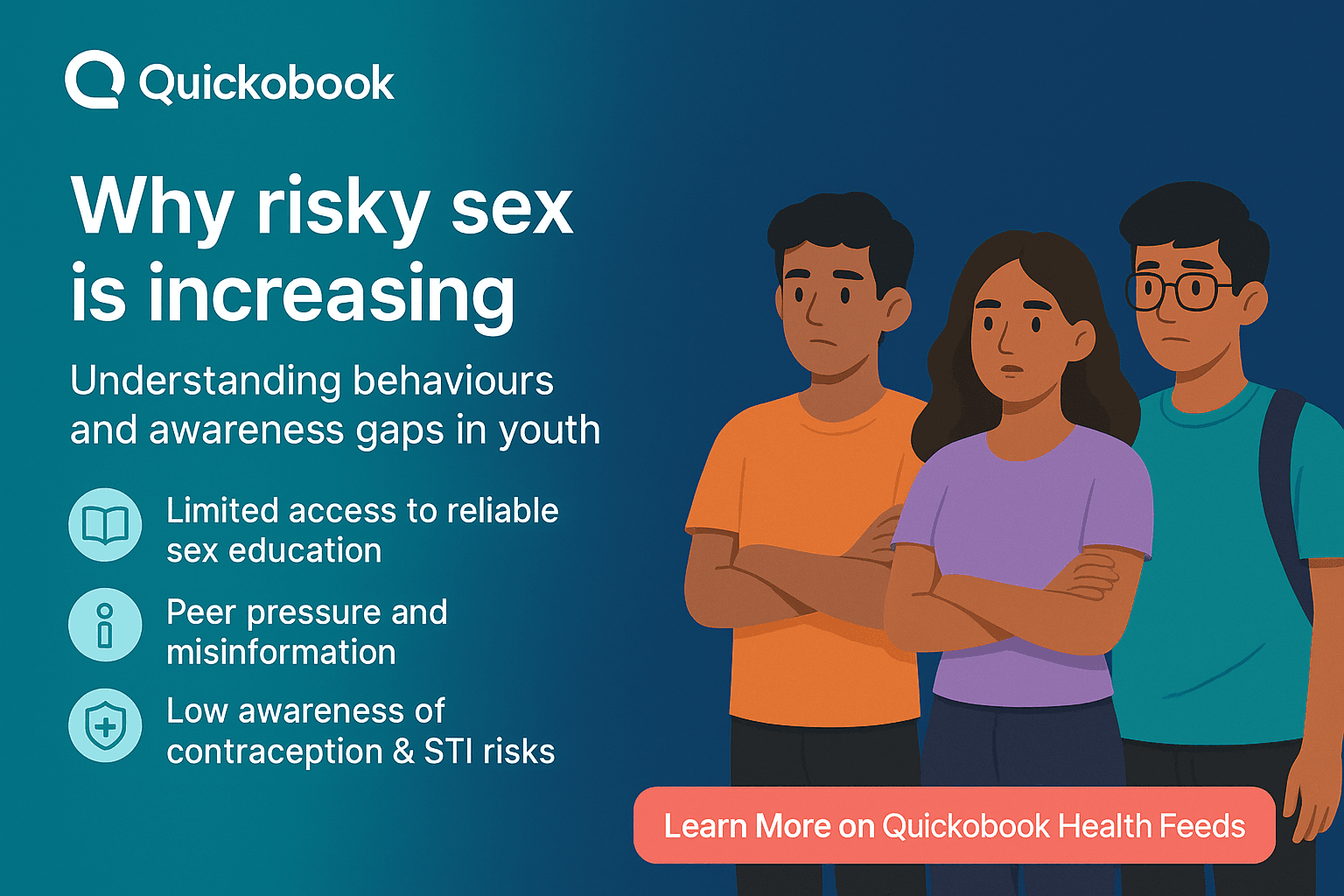
Why Unprotected Sex Is Increasing Among Young Indians Lack of proper sexual awareness Many Indian schools still do not provide detailed, practical sex education. Young people either learn incomplete information from friends, social media, or pornography. This misinformation creates dangerous assumptions like:
8Care and next steps
“Withdrawal is safe.”
9Care and next steps
“You can't get pregnant the first time.”
10Care and next steps
“Only people with many partners get STIs.”
11Care and next steps
“Oral sex is safe without condoms.”
12Care and next steps
Without basic knowledge of protection, youth take risks without understanding consequences.
13Care and next steps
Stigma and embarrassment around buying condoms In India, many young adults feel judged when purchasing condoms. Shopkeepers may stare, ask uncomfortable questions, or show disapproval. This shame leads many to avoid using condoms altogether. Even educated youth struggle with this cultural barrier, especially in smaller towns.
14Care and next steps
Growing popularity of dating apps and casual relationships Apps like Tinder, Bumble, and Instagram interactions make it easier for youth to form quick connections. With more casual or short-term relationships, many young Indians engage in impulsive sex. Without planned protection, these encounters often happen unprotected.
15Care and next steps
Myths and misinformation surrounding protection Myths spread faster than facts among the youth. Common myths include:
16Care and next steps
“Condoms reduce pleasure, so better not use them.”
17Care and next steps
“It's safe if we trust each other.”
18Care and next steps
“STIs are rare.”
19Care and next steps
“Taking a shower after sex prevents pregnancy.”
20Care and next steps
Such beliefs create a false sense of safety.
21Care and next steps
Alcohol and substance use Parties, college events, and nightlife often involve alcohol. Under the influence, judgment drops, and decisions become impulsive. Many unprotected encounters happen because condoms were not planned or remembered.
22Care and next steps
Trust in long-term partners without testing Couples in long-term relationships often stop using condoms after a few months, assuming they are safe. But many do not get tested before going condom-free. Without medical screening, the risk of silent infections becomes high.
23Care and next steps
ALSO READ: Early Signs Of Stis In Men And Women You Should Watch For Limited access to contraception Young people, especially in rural or semi-urban areas, struggle with:
24Care and next steps
Lack of privacy
25Care and next steps
Fear of judgment
26Care and next steps
Limited stock in nearby pharmacies
27Care and next steps
High cost of some contraceptives
28Care and next steps
No youth-friendly clinics
29Care and next steps
This lack of access increases unsafe choices.
30Care and next steps
Influence of pornography Porn rarely shows condom use, and many youth imitate what they see. This creates unrealistic expectations and unsafe habits.
31Care and next steps
Lack of conversations at home Parents rarely discuss sexual health due to cultural discomfort. With no one to guide them, youth rely on peers and online content, which may be inaccurate.
32Care and next steps
Health Risks of Unprotected Sex Sexually transmitted infections (STIs) Unprotected sex is the main cause of STIs among youth. Common infections include:
33Care and next steps
Chlamydia
34Care and next steps
Gonorrhea
35Care and next steps
Syphilis
36Care and next steps
HIV
37Care and next steps
Human Papillomavirus (HPV)
38Care and next steps
Genital herpes
39Care and next steps
Trichomoniasis
40Care and next steps
Many STIs show no early symptoms but still cause damage.
41Care and next steps
Unintended pregnancy A single unprotected encounter can lead to pregnancy. The physical, emotional, financial, and social pressure placed on young women is often overwhelming. Many resort to unsafe abortions, especially when they fear judgment.
42Care and next steps
Emotional and mental health impact Unprotected sex often results in:
43Care and next steps
Fear of pregnancy
44Care and next steps
Anxiety while waiting for test results
45Care and next steps
Guilt or shame
46Care and next steps
Loss of trust between partners
47Care and next steps
Relationship problems
48Care and next steps
Trauma after risky experiences
49Care and next steps
Long-term reproductive complications Untreated STIs can lead to:
50Care and next steps
Infertility
51Care and next steps
Pelvic inflammatory disease
52Care and next steps
Chronic pelvic pain
53Care and next steps
Ectopic pregnancy
54Care and next steps
Complications during future pregnancies
55Care and next steps
For men, untreated infections can affect sperm count and sexual performance.
56Care and next steps
Early Warning Signs of STIs That Youth Often Ignore
57Care and next steps
Signs in men and women Burning sensation while urinating
58Care and next steps
Unusual discharge from penis or vagina
59Care and next steps
Pain during sex
60Care and next steps
Lower abdominal pain
61Care and next steps
Rashes or bumps on genitals
62Care and next steps
Itching around the genital area
63Care and next steps
Fever or body aches
64Care and next steps
Bleeding between periods (women)
65Care and next steps
Sores, ulcers, or painful blisters
66Care and next steps
Silent infections Some infections like Chlamydia, HPV, and HIV can stay quiet for months or even years. This is why many young people unknowingly transmit infections to partners.
67Care and next steps
Why youth ignore symptoms Fear of being judged
68Care and next steps
Assuming symptoms will go away
69Care and next steps
Lack of awareness
70Care and next steps
Embarrassment about seeing a doctor
71Care and next steps
Misunderstanding early signs as normal irritation
72Care and next steps
Ignoring early signs can lead to severe complications later.
73Care and next steps
Diagnosis and Testing for Young People Common tests doctors recommend Urine tests for bacterial infections
74Care and next steps
Blood tests for HIV, syphilis, hepatitis
75Care and next steps
Swab tests for vaginal or urethral infections
76Care and next steps
HPV screening (especially for women)
77Care and next steps
Rapid antigen tests for some STIs
78Care and next steps
Tests are safe, quick, private, and affordable in most cities.
79Care and next steps
Why testing matters Detects silent infections
80Care and next steps
Prevents spreading to partners
81Care and next steps
Allows early treatment
82Care and next steps
Protects long-term reproductive health
83Care and next steps
Builds open communication and responsibility in relationships
84Care and next steps
Treatment Options for STIs or Complications Medications Antibiotics for bacterial STIs
85Care and next steps
Antiviral medicines for herpes
86Care and next steps
Antiretroviral therapy for HIV
87Care and next steps
Topical creams for mild infections
88Care and next steps
Emergency contraception If pregnancy is a risk, emergency pills must be taken within 72–120 hours depending on the type. Only a doctor can recommend dosage.
89Care and next steps
Partner treatment If one partner is infected, both must be treated to avoid reinfection.
90Care and next steps
Follow-up Doctors may recommend retesting after a few weeks to ensure complete recovery.
91Care and next steps
Prevention: Building Strong Sexual Awareness in Youth Using condoms every time Condoms protect against both pregnancy and infections. They are cheap, accessible, and highly effective when used correctly.
92Care and next steps
Regular sexual health check-ups Youth with new or multiple partners should get tested every 3–6 months.
93Care and next steps
Open conversations with partners Talking about protection builds trust and prevents risky decisions.
94Care and next steps
Avoiding sex under alcohol or drug influence Clear thinking is necessary for responsible choices.
95Care and next steps
Understanding consent Consent must be:
96Care and next steps
Clear
97Care and next steps
Free from pressure
98Care and next steps
Sober
99Care and next steps
Revocable at any time
100Care and next steps
Breaking myths with real facts Youth must rely on verified medical sources, not social media rumours.
101Care and next steps
Vaccinations HPV and Hepatitis B vaccines offer strong protection from long-term infections.
102Care and next steps
Youth-friendly clinics These clinics offer privacy, correct information, and judgement-free guidance.
103Care and next steps
When to Seek Help from a Doctor
104Care and next steps
Seek medical help if you notice:
105Care and next steps
Painful urination
106Care and next steps
Abnormal discharge
107Care and next steps
Bleeding not linked to periods
108Care and next steps
Persistent itching
109Care and next steps
Pain during sex
110Care and next steps
Fever with genital symptoms
111Care and next steps
Sores or unusual bumps
112Care and next steps
If you had unprotected sex recently, a preventive consultation can stop problems before they start.
113Care and next steps
Major Risks and Complications If Ignored Permanent infertility
114Care and next steps
Chronic pelvic pain
115Care and next steps
Spread of infections to partners
116Care and next steps
HIV-related complications
117Care and next steps
Repeated miscarriages
118Care and next steps
Emotional trauma
119Care and next steps
Long-term infections becoming harder to treat
120Care and next steps
The earlier the treatment, the better the recovery chances.
121Care and next steps
Conclusion The rise of unprotected sex among young Indians is a complex issue shaped by social stigma, poor sexual awareness, misinformation, dating culture, lack of access to contraception, and emotional pressure. While physical intimacy is a natural part of life, safety must always come first. Youth need correct information, easy access to protection, and supportive healthcare systems to make informed choices.
122Care and next steps
By promoting sexual awareness, encouraging safe sex practices, and removing shame around discussing sexual health, we can protect the next generation from avoidable health risks and emotional distress.
123Care and next steps
Unprotected sex should never be taken lightly. Knowledge, responsibility, and open communication are the real sources of safety.
124Care and next steps
Quickobook Call-to-Action Need private, judgment-free health advice?
125Care and next steps
Book fast and confidential appointments with expert gynecologists , urologists , and general physicians on Quickobook .
126Care and next steps
Trusted doctors. Zero embarrassment. Complete privacy.
127Care and next steps
Disclaimer This blog is for educational purposes only and does not replace medical advice. Always consult a qualified doctor for diagnosis, treatment, or health concerns.
Quick symptom self-check
Use this as a simple prompt before consulting. It is not a diagnosis.